Reliable Roofing Expert for Premium Home Protection
Identifying a credible roofing contractor is a crucial selection for homeowners. A proficient professional guarantees adherence with industry standards and reduces potential risks. The right contractor not only furnishes customized solutions but also stresses solid communication and trustworthiness. This foundation creates a secure and well-protected home. However, the process of finding such a contractor requires more than just a quick search. Grasping the vital qualities and points can make all the difference.
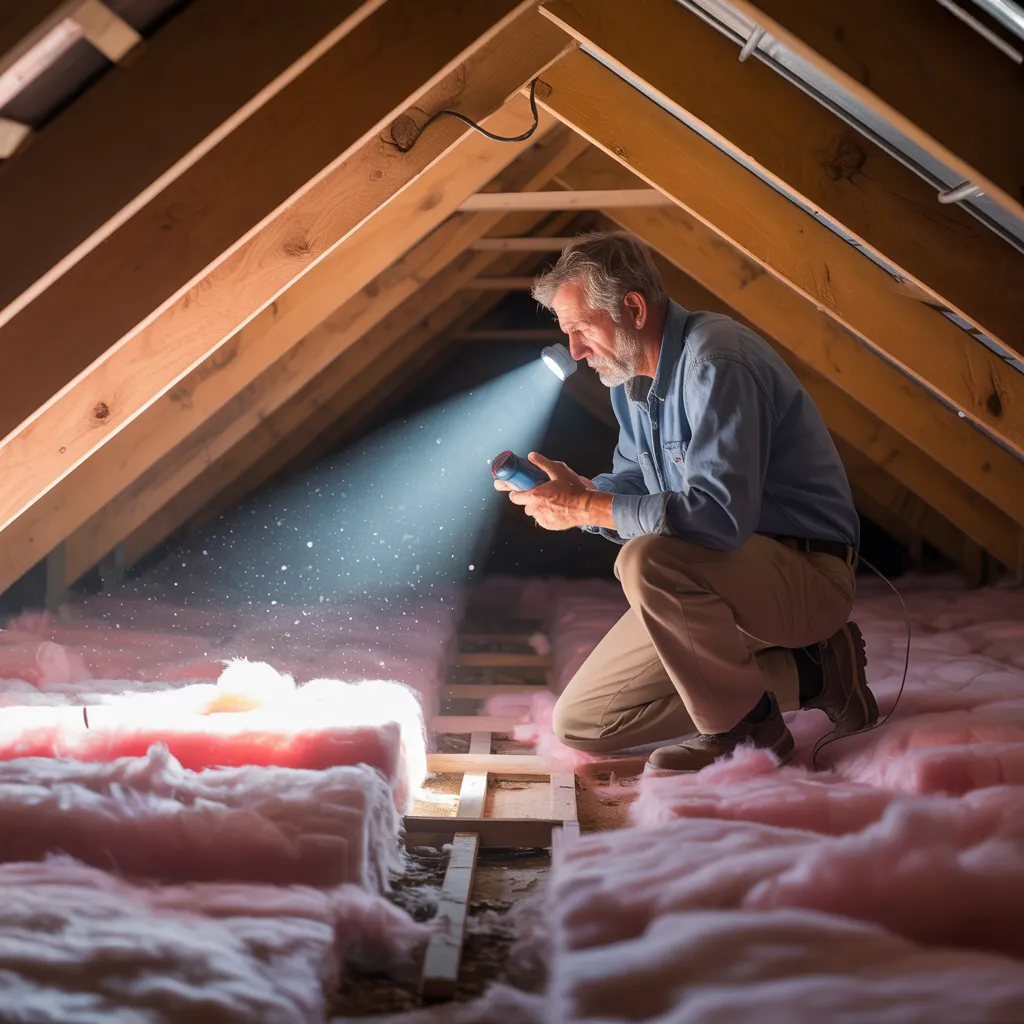
Why Choosing the Best Roofing Contractor Is Essential
How important is it to select the correct roofing contractor? The decision regarding a roofing contractor greatly influences the longevity and effectiveness of the roofing system. An inadequately installed roof can lead to leaks, structural damage, and increased energy costs, ultimately compromising the home's safety. A well-regarded contractor guarantees compliance with local building codes and utilizes quality materials, aiding in a durable and trustworthy roof. Additionally, experienced contractors provide valuable insights into the best roofing solutions adapted to specific needs, enhancing overall home protection. A wrongly selected contractor, conversely, may lead to subpar workmanship and unforeseen expenses. This decision carries serious long-term consequences; therefore, thorough research and evaluation are essential. Hiring a trustworthy contractor not only secures the roof but also fosters peace of mind for homeowners, knowing their investment is safeguarded. Ultimately, choosing the right roofing contractor is foundational to maintaining the integrity of the home.
Key Characteristics to Look for in a Roofing Contractor
Picking a roofing specialist necessitates thorough evaluation of numerous qualities that ensure a completed project. First, a reputable contractor should possess valid licensing and insurance, ensuring compliance with local standards and defense against likely exposures. Knowledge in the roofing industry is vital, as it reflects a contractor's skill to address multiple challenges effectively.
Moreover, strong communication skills are vital; a competent contractor guarantees clients receive updates throughout the project, tackling concerns swiftly. Consistency is another key quality, proving that the contractor can honor timelines and commitments.
Furthermore, a solid portfolio showcasing past work can provide understanding into the contractor's workmanship and technique. Finally, positive customer feedback and endorsements function as a measure of their reputation and quality of service. By evaluating these important characteristics, homeowners can make a informed decision when picking a roofing expert to safeguard their homes successfully.
Vital Roofing Materials: Types and Strengths
Roofing components are important in the lasting quality and aesthetics of a home. There are various options, each with distinct pros. Asphalt shingles are popular because of their low cost and ease of installation, making them ideal for many homeowners. Metal roofing, known for its longevity and weatherproof qualities, can be a better green choice, often deflecting heat to reduce energy expenses.
Clay and concrete tiles provide exceptional durability and a traditional look, while slate roofing is highly regarded for its elegance and lifespan, although it comes at a higher price point.
Wood shakes deliver a natural appearance, but they require more care. Finally, artificial materials, like rubber or polymer shingles, combine the perks of traditional materials while being easy to handle and eco-friendly. Choosing the correct roofing material is crucial for ensuring both durability and aesthetic appeal, ultimately boosting the home's value.
Assessing Roofing Quotes: Key Things to Consider
When deliberating over a new roof, obtaining estimates from roofing professionals is an essential phase in the decision-making process. Homeowners should give attention to several important factors to guarantee they get a fair and complete proposal. First, it is necessary to compare the work description included in each estimate, incorporating materials, labor, and any additional work. Precise itemization enables clarity about what is contained.
Next, homeowners should seek out warranties on both materials and workmanship. A reliable builder often offers a guarantee that protects against flaws. Additionally, the schedule for job completion should be specified, as postponements can impact budget and planning.
At last, it's sensible to appraise the contractor's reputation through critiques and citations, confirming they have a history of quality work. By carefully examining these elements, homeowners can determine the best course that best suit their needs and budget.
Why Credentials and Protection Are Necessary?
A robust foundation for any roofing project relies on the contractor licensing and insurance. Licensing ensures that the contractor has met particular industry standards and regulations, demonstrating a commitment to professionalism and quality. It acts as a protection for property owners, suggesting that the contractor is qualified to complete the required work.
Insurance, by contrast, protects both the contractor and the homeowner from potential liabilities. In the event of injuries or destruction during the roofing process, insurance delivers coverage, guaranteeing that financial burdens do not fall on the homeowner. Without proper insurance, a homeowner might face significant out-of-pocket expenses if something goes wrong.
Together, accreditation and protection both increase the contractor's credibility but also deliver peace of mind to homeowners. Employing a trained, licensed, and insured roofing contractor ultimately contributes to the extended security and value of the home.
Important Questions for Your Roof Expert?
How can property owners ensure they select the right roof contractor? One practical method is to prepare a set of important inquiries to ask prospective contractors. Homeowners should ask regarding the contractor's background and previous work to assess their skills. It's also crucial to ask for references and reviews from previous clients, which can offer useful information into the contractor's reliability.
Another major matter addresses the supplies and processes the contractor means to apply, confirming they fulfill industry standards. Homeowners should also confirm that the contractor is fully licensed and insured, offering protection against likely liabilities. Additionally, discussing the timeline and payment plan can assist in defining mutual understandings. Ultimately, homeowners should inquire about warranties on materials and labor both, ensuring confidence in durability and quality. By asking these specific questions, property occupants can arrive at educated decisions, confirming their roof project is completed with efficiency and effectiveness.
How a High-Quality Roof Adds to Your Home's Value
Investing in a quality roof not only safeguards a home but also greatly enhances its market value. A properly built roof serves as a defensive shield against the elements, reducing the risk of water damage and foundation problems. Homebuyers often prioritize the state of the roof, as it significantly affects their potential maintenance costs.
Furthermore, expert guide an visually attractive roof can strengthen the overall aesthetic of a property, rendering it more desirable to prospective buyers. Varied roof materials and styles can also influence property values; durable materials such as slate or metal tend to yield superior investment outcomes.
Additionally, a fresh roof can enhance thermal performance, resulting in lower utility bills, which is an attractive feature for eco-conscious buyers. Ultimately, a high-quality roof not only provides peace of mind but also functions as a significant asset in increasing a home's value in a challenging real estate market.
Common Inquiries Asked Regularly
How much time Does a Typical Roofing Project Take to Finish?
A typical roofing project usually takes anywhere from several days to one week to complete. Factors such as roof size, atmospheric circumstances, and the type of material can influence the overall duration of the project significantly.
What Guarantee Plans Are Included With Roof Work?
Different kinds of warranties for roofing services exist, including manufacturer warranties covering materials and labor guarantees from contractors. These warranties typically range from a few years to several decades, based on the materials used and the contractor's policies.
What Can I Do to Protect My Roof Once It's Been Installed?
Sustaining a roof in good condition after installation requires routine assessments, clearing debris, cleaning gutters, and repairing any damage quickly. Additionally, professionals recommend periodic maintenance checks to guarantee longevity and peak performance.
What Should I Do if My Roof Leaks?
If a roof leaks, the homeowner should initially locate the cause of the leak, control any water damage, and contact a professional for fixing. Quick response prevents more deterioration and guarantees the roof's integrity.
Can You install a new Roof Over an present One?
Yes, placing a new roof over an existing one is achievable, provided the current roof is in proper condition and local building codes permit it. This technique can save time and reduce costs considerably.